
.svg)
.png)


.png)


.svg)


.svg)


When a parent first starts looking into a psychoeducational assessment in Vancouver, the experience can feel like being handed a map written in a language you have never studied. Terms like "cognitive index," "processing speed," and "standardized norms" appear alongside a wide range of provider options, pricing structures, and waiting periods — all while a school deadline quietly counts down in the background. For families in Vancouver, Burnaby, North Vancouver, and surrounding communities navigating this for the first time, that combination of pressure and unfamiliarity is genuinely difficult. Choosing the right assessment is not just a logistical task; it is a decision that shapes how your child is understood and supported for years to come.
This guide walks you through that decision clearly and honestly, without overwhelming you with jargon or rushing past the parts that actually matter. Whether you are pursuing this process for school placement in the Vancouver School Board or a neighbouring district, an accommodation request, or simply to better understand your child's learning profile, every section here is written with your real concerns in mind.
Why This Decision Feels So Hard
The weight of this decision is proportional to what is at stake. You are making a financial commitment that, according to McDowall Health, can range from $2,000 to $4,000 or more for a private evaluation in Canada. You are also entrusting someone with your child's story at a time when you may not yet have the vocabulary to fully tell it yourself. On top of that, many Vancouver families are working against a school calendar that does not pause for uncertainty.
Conflicting information adds to the confusion. A common but incorrect belief persists that a student must be in at least Grade 3 before being assessed for a reading disability, according to the Ontario Human Rights Commission. This kind of misinformation can cause families to wait far longer than necessary — which is exactly why knowing how to evaluate your options critically makes such a meaningful difference. Feeling overwhelmed does not mean you are underprepared. It means you are taking this seriously, which is the right starting point.
What a Psychoeducational Assessment Actually Includes
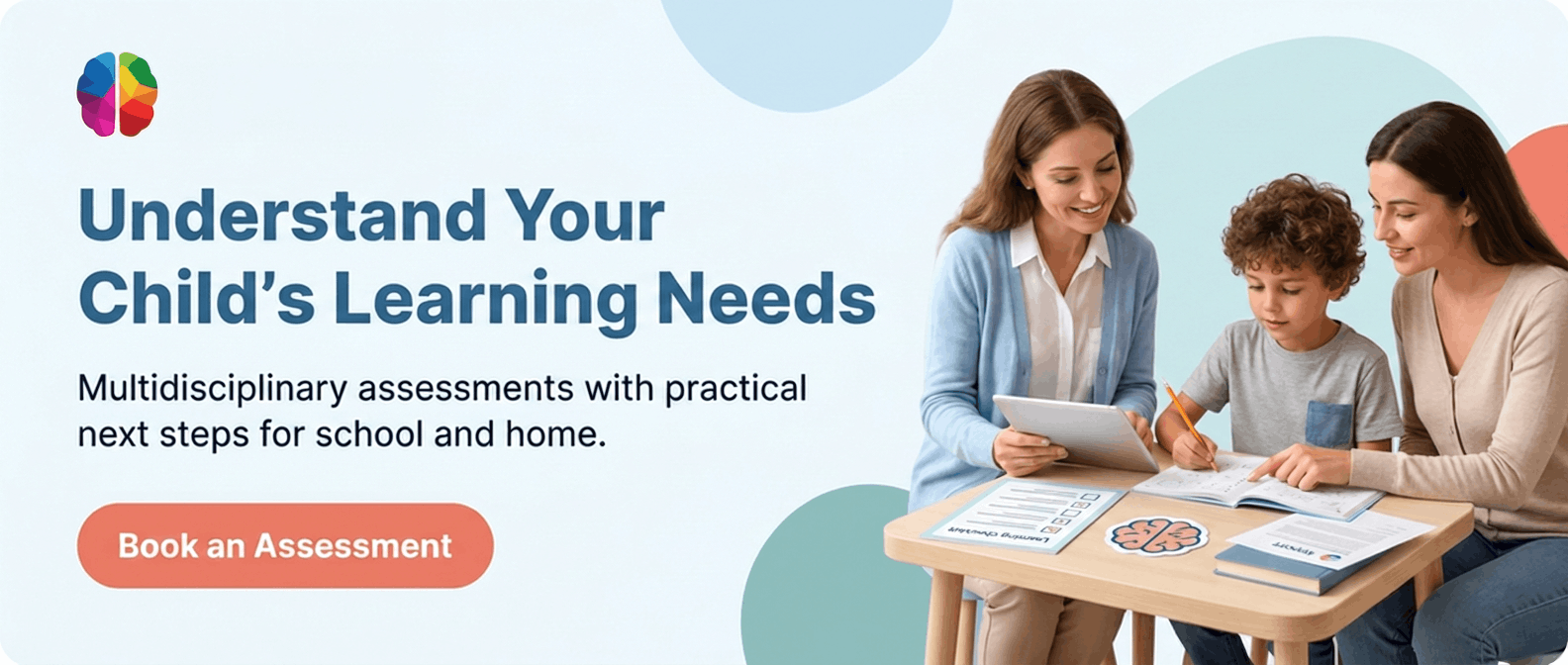
A psychoeducational assessment is a comprehensive evaluation that examines how your child learns. A complete evaluation typically includes standardized cognitive and academic testing, clinical interviews with parents and where appropriate teachers, direct observation of the child's behaviour and engagement, and an integrated written report with clear and actionable findings. Each element contributes something the others cannot replace. Any provider who skips one of these components warrants careful scrutiny.
The testing portion evaluates areas such as memory, attention, processing speed, reading, writing, and math using validated instruments that produce scores comparable to a normative population. The clinical interviews provide context that numbers alone cannot convey: developmental history, family patterns, and how a child functions across different environments. Without that fuller picture, even strong test scores can be misread or misapplied.
Why the Written Report Matters as Much as the Testing
The written report is often where the real value of an assessment becomes visible — or where quality gaps first appear. A school-accepted report needs to include the standardized tools used and their versions, the child's performance scores, clear diagnostic language aligned with current classification systems, and specific accommodation recommendations that schools can act on.
A report that identifies a learning difference without translating it into concrete supports is only half the job done. BC schools and post-secondary institutions need reports that are not just technically accurate but practically usable — and that requires a writer who understands both clinical assessment and educational systems. According to LD@School, an Ontario Ministry of Education-supported resource, parents and students can request reviews and updates of assessment reports at any time — a detail worth keeping in mind when evaluating whether a provider supports you beyond the initial document.
How to Choose a Psychoeducational Assessment Provider in Vancouver
Choosing a provider is not primarily about finding the lowest price or the shortest wait time, though both are real and valid factors for Vancouver families. The more important questions are whether the provider's process is appropriate for your child's age and profile, whether their reports are accepted by the specific schools or institutions you are targeting, and whether they communicate findings in language your family can actually act on.
Quality variation across providers is not a minor concern. Not all psychoeducational assessments are of the same quality or standard, and this varies across private and school-based assessments alike. That variability reflects differences in clinical rigour, professional experience, and the depth of integration across assessment domains. The private vs school psychoeducational assessment question is one many Vancouver families wrestle with, and the right answer depends heavily on your timeline and what the assessment is intended to support.
Credentials and Disciplines to Look For in BC
In British Columbia, psychoeducational assessments must be administered and interpreted by a registered psychologist or a psychological associate supervised by a registered psychologist. These are regulated titles under the Health Professions Act, meaning professionals who hold them are accountable to the College of Psychologists of BC and must meet specific training requirements.
When evaluating a provider in Vancouver or elsewhere in the Lower Mainland, confirming registration through the College of Psychologists of BC is a straightforward step that eliminates significant risk. For children with more complex profiles, additional disciplines such as neuropsychology, speech-language pathology, or occupational therapy may also contribute meaningfully to the evaluation.
Questions to Ask Before You Book
Bringing clear questions before booking is one of the most practical ways to evaluate a provider. Any reputable Vancouver clinic will welcome them and answer without defensiveness. Consider asking the following:
- How many sessions does the assessment involve, and how long does the full process take from intake to report delivery?
- Who writes the report, and is it reviewed or co-authored by a registered psychologist?
- Will findings be explained to our family in plain language — not just delivered as a document?
- Does the report meet the standards required by our school board or target institution?
- What happens if the school requests clarification or additional information after the report is submitted?
What to Look for in Educational Testing Quality
A rigorous assessment uses validated, up-to-date testing instruments and integrates findings across cognitive, academic, and developmental domains rather than treating each in isolation. Research published in the Journal of Psychoeducational Assessment found that standardized assessment requires psychologists to make complex professional judgements beyond what test manuals specify. That means the skill and experience of the individual assessor significantly affects outcomes — the credential alone is not sufficient.
When cost pressure leads to corners being cut, the gaps often appear at the integration stage: test scores delivered without a synthesized interpretation, or domains assessed without connection to one another. You can surface these risks early by asking how the assessor brings together cognitive, academic, and behavioural findings into a single coherent picture. A provider who cannot explain that process clearly may not be executing it well. Assessment cost factors are a legitimate consideration — but they should inform how you compare providers, not serve as the deciding criterion on their own.
Matching the Assessment to Your Child's Needs and Timeline
Not every assessment needs to cover every domain in equal depth. A Vancouver family pursuing school placement may need a different emphasis than one seeking accommodations for standardized testing at a BC post-secondary institution. Before selecting a provider, clarify what you specifically need the report to accomplish — and confirm that the provider's standard process delivers it.
School board wait times for psychoeducational assessments are currently long in BC, which is why many Vancouver families turn to private providers. Private assessments typically offer faster access — approximately two to six weeks compared to school board timelines, according to McDowall Health. Starting earlier than you think you need to is consistently the better approach, especially since the best age for a psychoeducational assessment may be earlier than many families expect.
When Developmental or Language Concerns Are Also Present
Some children present with concerns that extend beyond academic performance — including speech and language delays, motor coordination difficulties, or social development patterns that stand out from peers. For these children, an educational testing component alone may not tell the whole story.
A broader evaluation that incorporates speech-language pathology, occupational therapy, or developmental assessment can identify co-occurring factors that directly affect learning and would otherwise remain unaddressed. Vancouver families in this situation benefit significantly from a clinic that houses multiple disciplines under one roof and coordinates findings, rather than requiring parents to piece together separate evaluations from separate providers across the city.
What to Verify Before You Commit
Before committing to any provider in the Vancouver area, a few straightforward due diligence steps can protect your family and your timeline:
- Confirm the assessing psychologist is registered with the College of Psychologists of British Columbia via their public registry.
- Ask whether the clinic provides a post-assessment follow-up session to walk through the report, answer questions, and discuss next steps.
- Ask what the process is if the school requests additional documentation or a clarifying letter after the report is submitted.
These are not adversarial questions. Reputable providers will answer them readily — and their willingness to do so is itself a meaningful signal about how they operate. Process transparency should always be part of your private assessment selection criteria, not just credentials and cost.
Finding the Right Learning Evaluation in Vancouver Starts With Feeling Heard
The right provider relationship is one where your child is treated as a whole person, not a set of scores to be processed and filed. Good fit looks like a team that is responsive to your concerns before the assessment begins, clear about what the process involves at every stage, and genuinely invested in helping you understand the findings rather than simply delivering them. Clinical rigour and human warmth are not in tension with each other; the best assessments are shaped by both.
At All Brains Clinic, finding the right learning evaluation means working with a multidisciplinary team — including psychologists, speech-language pathologists, and other specialists — who collaborate directly on each case and follow every assessment with complimentary post-assessment support sessions. Families across Vancouver and the Lower Mainland deserve both the diagnostic clarity and the ongoing guidance to act on it confidently. If you are ready to take the next step, we invite you to reach out to our team and start with a conversation. We are here to help you understand your child's strengths and build from there.
Frequently Asked Questions About Psychoeducational Assessments in Vancouver
What is the difference between a psychoeducational assessment and a psychological evaluation?
A psychoeducational assessment focuses on how a child learns, examining cognitive abilities, academic skills, and processing areas to identify learning differences. A psychological evaluation is broader and may address mental health, personality, or behavioural concerns. For school placement or learning accommodations in BC, a psychoeducational assessment is typically what families need.
How long does a psychoeducational assessment take in Vancouver?
With a private provider in Vancouver, the full process from intake to written report typically takes two to six weeks. This includes testing sessions, clinical interviews, scoring, and report writing. School board assessments can take considerably longer due to high demand and limited capacity within BC districts.
At what age can a child be assessed for a learning disability in BC?
Children can be assessed earlier than many families expect — there is no requirement to wait until Grade 3. Early identification of reading difficulties, language delays, or cognitive differences can improve outcomes. If you have concerns, speaking with a registered psychologist sooner rather than later is advisable regardless of your child's current grade level.
Will a private psychoeducational assessment be accepted by Vancouver schools?
Yes, provided the report meets specific standards: completed by a registered psychologist or supervised psychological associate, using current standardized tools, with diagnostic language aligned with accepted classification systems and actionable accommodation recommendations. Confirming these criteria with your school board before the assessment begins is worthwhile.
How much does a psychoeducational assessment cost in Vancouver?
Private assessments in Canada typically range from approximately $2,000 to $4,000 or more, depending on the complexity of the evaluation and the provider. Some extended health benefit plans cover a portion of the cost when services are provided by a registered psychologist. It is worth checking your plan before booking.
Can a psychoeducational assessment report be updated or reviewed later?
Yes. Parents and students can request a report be reviewed or updated if a child's needs change or the original report is several years old. Post-secondary institutions and some programs may require a more recent assessment. Your provider should be willing to discuss this process with you. What a School-Accepted Psychoeducational Assessment Report Must Include Report ComponentWhy It MattersStandardized tools used and their versionsConfirms testing instruments are current and validatedChild's performance scoresProvides measurable, comparable data for school decisionsDiagnostic language aligned with current classification systemsEnsures the report is recognized by BC schools and institutionsSpecific accommodation recommendationsGives schools and families actionable next stepsCompleted by a registered psychologist or supervised associateMeets BC regulatory requirements for accepted reports
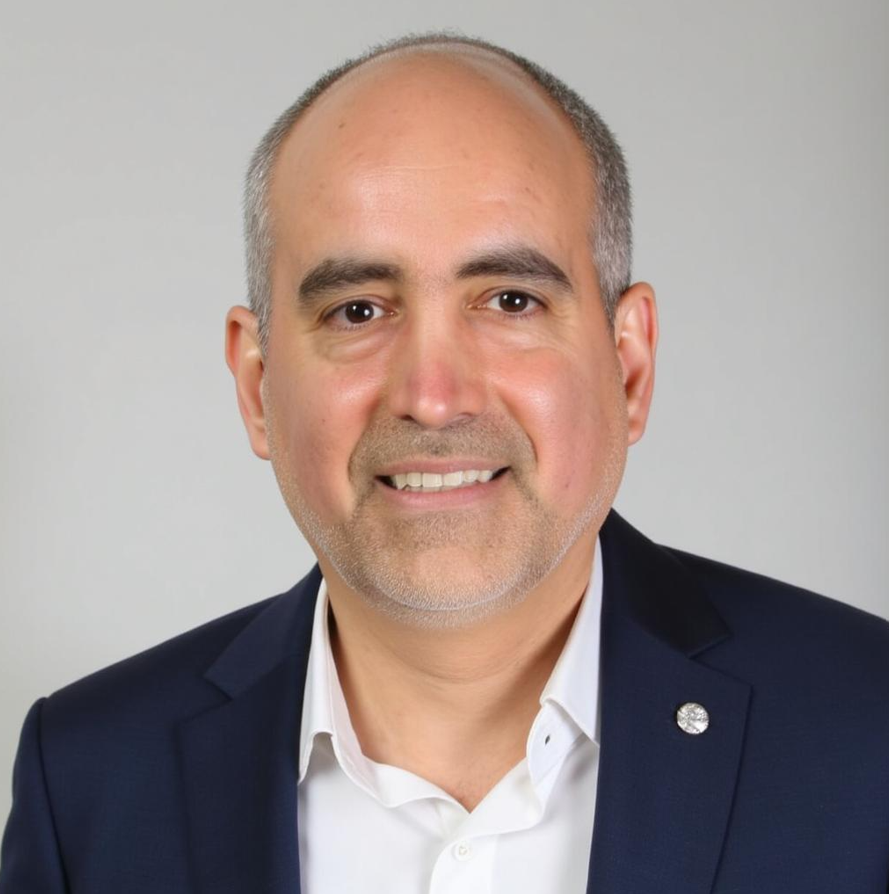
Dr. Ali Eslami, Chief Editor
Dr. Ali Eslami is a child psychiatrist at BC Children’s Hospital and All Brains Clinic with a PhD from Brown University. With expertise in neurodevelopmental disorders, autism assessment, and AI research in mental health, he ensures every article meets the highest standards. His sharp editorial eye guarantees clarity, accuracy, and credibility in all our content.


